
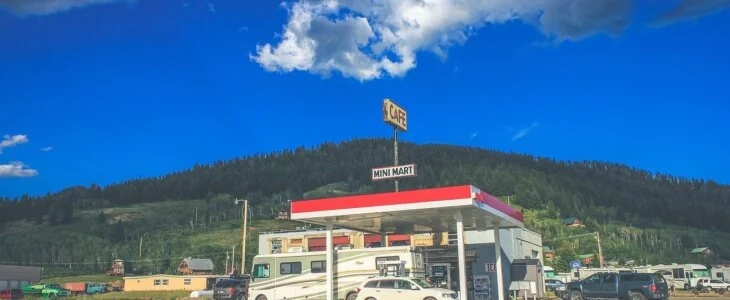
What impacts might result from a partial road taking for gas stations and convenience stores in Florida?
A partial road taking can affect driveway widths, eliminate driveways, interfere with air vacs, landscape buffers, fueling positions, underground storage tanks, and canopies of gas stations. It can also impact the circulation of vehicles on-site, especially if the gas station has multiple entry points affected by the construction, potentially disrupting customer access and parking availability.
What experts or analyses are essential to understand the full impact of a partial taking on a gas station claim?
For gas station claims, civil engineers play a crucial role in assessing changes to driveway widths, elimination of driveways, and onsite vehicle circulation. Real estate appraisers evaluate land value, fixtures, and equipment appraisers determine the value of assets, contractors assist in resolving physical issues, and accountants assess financial impacts. Coordinating these experts helps in understanding the comprehensive impact beyond just land value.
What physical changes might gas station owners make post-taking to mitigate impacts, and how does this influence compensation?
Gas station owners may attempt to remedy impacts by addressing access or circulation issues through physical modifications to the property. The concept of “cost to cure” is crucial, but solutions may lead to unintended consequences, such as losing parking spaces or fueling pumps. Balancing these physical changes to alleviate problems while ensuring the business remains viable is essential for determining fair compensation.
How do eminent domain attorneys assist clients in dealing with driveway modifications or relocations post-taking?
Attorneys can help clients negotiate with condemning authorities to reopen or widen driveways, or secure necessary modifications to enhance traffic flow and mitigate disruptions caused by construction. Collaborating with authorities to find mutually beneficial solutions, such as directional medians or widened driveways, can help preserve the business’s functionality and potentially reduce overall compensation claims.
Can you provide an example illustrating how a small land taking for road expansion can create significant operational challenges for a gas station or convenience store?
In a case involving a gas station in Palm Harbor, a seemingly small 241 square feet land taking for a roundabout led to significant operational disruptions. The relocation and narrowing of driveways misaligned the access to fueling pumps, forcing the elimination of a fueling dispenser due to circulation issues. By effectively demonstrating the adverse impact on business operations, the compensation obtained was five times higher than the initial offer, highlighting the substantial consequences of even minor takings.
Do considerations for real estate owners and business owners generally align or differ in cases of partial takings affecting gas stations and convenience stores?
Considerations often differ between real estate owners and business owners, particularly if they are separate entities. Real estate owners focus on preserving property value and ensuring tenant stability, while business owners prioritize maintaining operational efficiency and revenue streams. Despite potential differences, both parties aim to address the impact of takings to sustain the business and property value, albeit through different perspectives and objectives.
What eligibility criteria and documentation are necessary for business owners to claim business damages post-taking?
Business owners seeking business damages post-taking must meet specific criteria, including operating the business for a continuous five-year period and having a written lease agreement. The lease agreement plays a crucial role in determining the extent of business damages claimable, including any options for lease extensions. Meeting these requirements is essential for substantiating business damage claims in eminent domain cases.
What initial information is crucial for attorneys to obtain from gas stations and convenience stores when handling eminent domain cases?
Attorneys gather essential information such as branding agreements, dealer supply agreements, management leases, financial records covering five years, and property surveys. Understanding branding obligations, supply agreements, on-site management arrangements, and financial performance allows attorneys to assess the full impact of the taking on the business and property. This comprehensive data aids in developing a strategic approach to protect the interests of both the business and real estate owners in eminent domain cases.